
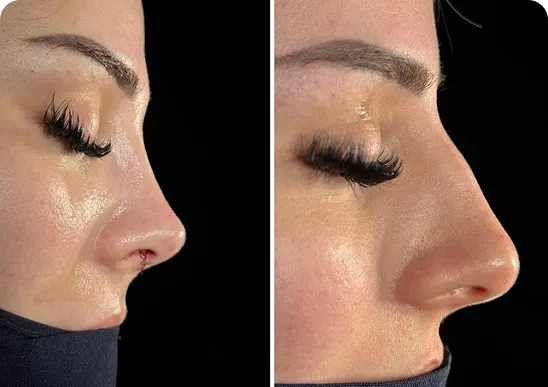
Rhinoplasty Recovery
Rhinoplasty recovery is a gradual and highly individual process that takes place over several weeks and months. While the surgical procedure itself may only take a few hours, the healing journey continues long after patients leave the operating room. Understanding the different stages of recovery can help patients feel more prepared, reduce unnecessary anxiety, and create realistic expectations about how the nose will heal over time. At Rinoplastika, we believe that patient education plays an important role in achieving successful rhinoplasty outcomes. Every patient heals differently depending on factors such as skin thickness, surgical technique, overall health, and adherence to aftercare instructions. However, there are common healing patterns most patients experience throughout recovery.
Immediately after surgery, the body begins responding naturally to tissue changes by producing swelling and inflammation. This is a completely normal part of the healing process and should not be viewed as a complication. During the early stages, patients often focus heavily on visible swelling or bruising, but it is important to remember that rhinoplasty healing occurs both externally and internally. Even after bruising disappears, deeper tissues continue adjusting and settling for many months. Patience is one of the most important parts of recovery because the final results develop gradually rather than instantly.
Many international patients traveling to Albania for rhinoplasty also wonder what recovery will look like after returning home. Having clear guidance during each stage can make the process feel far less overwhelming. Knowing when swelling typically improves, when breathing starts feeling better, and when final results become visible helps patients approach recovery with greater confidence. Proper aftercare, regular follow-up communication, and realistic expectations all contribute to a smoother and more comfortable healing experience.
Modern rhinoplasty techniques such as Piezo Ultrasonic Rhinoplasty and Closed Rhinoplasty can also influence recovery positively by minimizing unnecessary trauma to surrounding tissues. These advanced methods often help reduce bruising, swelling, and recovery discomfort compared to older surgical approaches. However, even with advanced technology, healing still requires time, proper care, and patience.
This guide explains what patients can typically expect during every major healing stage after rhinoplasty, from the first few days of swelling and congestion to the gradual refinement of long-term results. By understanding the recovery process step by step, patients can feel more reassured, informed, and prepared throughout their surgical journey.
The First 24–72 Hours
The first 24 to 72 hours after rhinoplasty are often considered the most physically sensitive part of recovery. During this stage, the body begins its immediate healing response following surgery, and patients commonly experience swelling, bruising, congestion, mild discomfort, and fatigue. While these symptoms can feel overwhelming initially, they are completely normal and expected after rhinoplasty. Understanding what happens during these first few days can help patients remain calm and focused on proper recovery rather than becoming anxious about temporary side effects.
Immediately after surgery, patients typically wake up with nasal splints or dressings in place to protect and stabilize the nose. Some patients may also have internal supports depending on the surgical technique used. Because the nasal passages are swollen internally, breathing through the nose may feel difficult or blocked during this period. This congestion is temporary and gradually improves as swelling decreases over the following days and weeks. Many patients also notice swelling around the cheeks and eyes, which can sometimes appear more dramatic on the second or third day before slowly improving.
Bruising around the eyes is another common part of early recovery. The severity varies depending on individual healing responses and the complexity of the surgery. Advanced techniques such as Piezo Ultrasonic Rhinoplasty often help minimize bruising compared to traditional methods, but some discoloration is still normal. Applying cold compresses around the eyes, while avoiding direct pressure on the nose, can help reduce swelling and discomfort during the first 48 hours. Rest is extremely important during this stage of healing. Patients are advised to keep their head elevated while sleeping or resting because this position helps reduce swelling and improves circulation. Staying hydrated, eating soft nutritious foods, and carefully following prescribed medications also support the body’s natural recovery process. It is important to avoid bending over, heavy lifting, smoking, alcohol consumption, or strenuous movement during this period because these activities can increase swelling and delay healing.
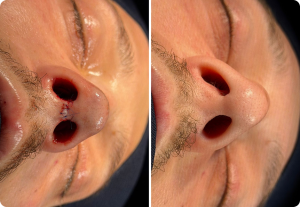
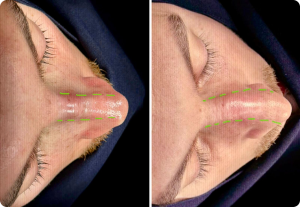
Week 1 Recovery
During the first week:
- Bruising and swelling gradually improve
- Nasal splints or bandages remain in place
- Patients should avoid strenuous activities
- Breathing through the nose may still feel limited
Most patients return to the clinic around day 7 for splint removal and follow-up evaluation. Many patients already notice early improvements in nose shape at this stage, although swelling is still present.
Week 2-4
This stage is when patients begin feeling more comfortable socially and physically.
- Significant reduction in bruising
- Swelling slowly decreasing
- Improved breathing
- More defined nasal contours
Most patients can return to work, light activities, and normal daily routines during this phase.However, it is still important to avoid heavy exercise, glasses pressure, or accidental impact to the nose.
Long-Term Healing And Final Results
Recovering after rhinoplasty requires patience, consistency, and proper aftercare to achieve the best possible results. While the surgical procedure itself is extremely important, the healing period that follows also plays a major role in determining how comfortably and successfully patients recover. At Rinoplastika, we guide patients carefully through every stage of recovery to help minimize complications, reduce swelling, and support natural-looking long-term outcomes. Following recovery instructions properly can make a significant difference in both comfort and final results.
One of the most important recovery tips is keeping the head elevated, especially during the first few weeks after surgery. Sleeping with the head slightly raised helps reduce swelling, improves circulation, and minimizes pressure around the nose and facial tissues. Many patients use additional pillows or a wedge pillow to maintain a comfortable elevated position while sleeping. Lying completely flat may increase swelling and prolong discomfort during early recovery.Rest is another essential part of proper healing. Patients should allow their body enough time to recover by avoiding overexertion and getting adequate sleep. Although light walking is usually encouraged to support circulation, strenuous physical activities such as gym workouts, running, heavy lifting, or intense exercise should be avoided for several weeks. Increased physical strain can raise blood pressure, worsen swelling, and potentially interfere with healing tissues inside the nose.
Protecting the nose from pressure or accidental injury is also extremely important during recovery. The nasal structure remains delicate for many weeks after surgery, even if swelling appears improved externally. Patients should avoid bumping the nose, wearing heavy glasses directly on the bridge, or sleeping in positions that place pressure on the face. Careful protection helps ensure the nose heals properly without affecting the final result. Hydration and proper nutrition also support the body’s natural healing process. Drinking enough water helps reduce swelling and keeps the body functioning properly during recovery. Nutritious foods rich in vitamins, protein, and antioxidants can assist tissue repair and support overall healing. Patients should also limit salty foods because excess sodium may increase fluid retention and swelling during the early stages of recovery.
Avoiding smoking and alcohol is another very important recovery guideline. Smoking reduces oxygen supply to healing tissues and can slow recovery significantly while increasing the risk of complications. Alcohol may also worsen swelling, dehydration, and bruising during the healing process. Patients are usually advised to avoid both for a period before and after surgery to support safer and smoother healing.Patience is perhaps one of the most important aspects of rhinoplasty recovery. Swelling reduces gradually over time, especially around the nasal tip, and final results may take many months to fully develop. Patients should avoid judging their appearance too early because healing happens slowly and continuously beneath the surface. Temporary swelling fluctuations are normal and do not represent the final outcome.
Attending follow-up appointments and maintaining communication with the surgical team also play a major role in successful recovery. Follow-up evaluations allow surgeons to monitor healing progress, answer patient questions, and provide reassurance throughout the process. At Rinoplastika, we provide personalized aftercare guidance and ongoing patient support to help ensure every patient experiences a safe, comfortable, and successful recovery journey.
When To Contact Your Surgeon
Although most rhinoplasty recoveries progress normally without major complications, it is very important for patients to understand when they should contact their surgeon during the healing process. Recovery after surgery naturally includes swelling, bruising, congestion, mild discomfort, and temporary changes in appearance, but certain symptoms may require professional medical attention. Knowing the difference between normal healing and warning signs can help patients feel safer, more confident, and properly supported throughout recovery.
One of the most important reasons to contact your surgeon is excessive or uncontrolled bleeding. Minor spotting or light drainage during the first few days after rhinoplasty is usually normal, especially around the nasal dressing. However, persistent bleeding that does not slow down or becomes heavy should never be ignored. Significant bleeding may indicate irritation, increased blood pressure, or disruption to healing tissues and should be evaluated promptly by the surgical team. Severe or worsening pain is another reason patients should seek medical guidance. Mild discomfort and pressure are expected after rhinoplasty and are usually manageable with prescribed medications. However, intense pain that suddenly increases instead of improving gradually may indicate a complication such as infection, excessive swelling, or internal pressure. Patients should never assume severe pain is a normal part of recovery without consulting their surgeon.
Fever and signs of infection should also be taken seriously. Mild temperature changes immediately after surgery can occasionally occur, but persistent fever, redness, unusual discharge, or a strong unpleasant smell around the surgical area may indicate infection. Early treatment is important because untreated infections can affect both healing and final rhinoplasty results. Prompt communication allows the medical team to provide proper treatment and prevent further complications. Difficulty breathing beyond normal congestion is another important concern. Temporary nasal blockage is expected after surgery due to swelling inside the nose, especially during the first week. However, sudden breathing difficulties, worsening obstruction, or feelings of severe pressure should be discussed with the surgeon immediately. Monitoring breathing function is an important part of safe rhinoplasty recovery, particularly for patients who also underwent functional correction procedures. Patients should also contact their surgeon if they notice sudden swelling increases, uneven healing changes, or accidental trauma to the nose. Even minor accidental bumps during recovery can sometimes affect healing tissues while the nose is still delicate. Early evaluation helps ensure the nose continues healing properly and allows the surgeon to provide guidance if additional care is needed.
For international patients, communication and follow-up support are especially important after returning home following surgery abroad. Many patients naturally feel anxious during recovery because healing changes can sometimes appear unpredictable from day to day. Having ongoing access to professional guidance provides reassurance and helps patients feel more secure throughout the process. At Rinoplastika, we encourage patients to ask questions whenever concerns arise during recovery because early communication plays a major role in safe healing and successful long-term outcomes. Ultimately, patients should never hesitate to contact their surgeon if something feels unusual or concerning. Recovery is not only about physical healing but also emotional reassurance and confidence throughout the process. Proper follow-up care, medical monitoring, and open communication help ensure a smoother, safer, and more comfortable rhinoplasty recovery experience from beginning to end.


Our Related Blogs
 May 18, 2026
Personalized Care For Patients Traveling To
Traveling abroad for rhinoplasty requires careful planning and professional support during recovery. In this blog, we explain how Rinoplastika assists…
 May 18, 2026
Helpful Guidance For A Stress-Free Recovery
Many patients have questions during the recovery process, especially after returning home following surgery abroad. This blog answers some of…
 May 18, 2026
Why Follow-Up Care Matters After Surgery
Follow-up care plays a major role in achieving successful rhinoplasty outcomes. In this article, we discuss why ongoing medical support…