Patient Goals & Initial Concerns
Every rhinoplasty journey begins with understanding the patient’s personal concerns, aesthetic goals, and expectations. In this case study, the patient visited Rinoplastika seeking a more balanced and refined nose shape while preserving a completely natural appearance. The patient felt self-conscious about a visible dorsal hump, slight asymmetry, and limited definition around the nasal tip. Although these concerns affected confidence in photographs and side-profile views, the patient was also very clear about not wanting an artificial or dramatically altered appearance after surgery.
Like many international rhinoplasty patients, one of the biggest fears was losing facial identity or ending up with a nose that looked too small, over-rotated, or unnatural. The patient wanted subtle refinement that would enhance facial harmony rather than completely change facial character. During the consultation process, detailed facial analysis was performed to evaluate proportions, skin thickness, nasal structure, and breathing functionality. The discussion focused heavily on creating realistic expectations and designing a result that would complement the patient’s existing facial features naturally.
The patient also wanted reassurance regarding recovery, healing time, and post-operative support because traveling abroad for surgery can naturally feel overwhelming. Understanding the emotional and physical aspects of rhinoplasty recovery was an important part of treatment planning. After reviewing the patient’s anatomy and goals, the surgical team recommended a personalized rhinoplasty approach designed to soften the nasal bridge, refine the tip, and improve overall symmetry while maintaining natural facial balance and proper breathing support.
Personalized Surgical Planning
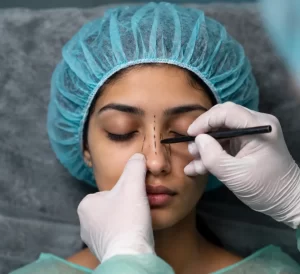
Successful rhinoplasty requires far more than simply reshaping the nose. Every patient has unique facial anatomy, skin thickness, cartilage structure, and aesthetic goals, which is why personalized planning plays a critical role in achieving natural-looking outcomes. For this patient, the surgical team carefully developed a treatment plan focused on subtle refinement rather than dramatic transformation.During the planning stage, digital facial analysis and detailed examination of the nasal structure were performed to determine the safest and most effective surgical approach. The patient’s concerns included a prominent dorsal hump, mild asymmetry, and insufficient definition around the nasal tip. At the same time, preserving the patient’s facial identity remained one of the highest priorities throughout planning.
The treatment strategy focused on reducing the hump smoothly, refining the bridge without over-narrowing the nose, and improving tip projection while maintaining structural support. Functional breathing preservation was also included as an important part of the plan to ensure the procedure improved aesthetics without compromising airflow or nasal stability.
The surgical team selected Closed Rhinoplasty combined with Piezo Ultrasonic technology because these advanced techniques allow highly precise bone reshaping with reduced trauma to surrounding tissues. Compared to traditional methods, Piezo technology often helps minimize bruising, swelling, and recovery discomfort while supporting smoother healing outcomes. Detailed discussions also covered the recovery timeline, realistic healing expectations, and long-term refinement process. The patient was informed that rhinoplasty healing occurs gradually over several months and that swelling reduction would continue long after the initial recovery period. This transparent communication helped the patient feel confident, informed, and emotionally prepared before surgery.

The Rhinoplasty Procedure
The procedure was performed in a fully equipped hospital environment under professional medical supervision. The surgical approach used for this case was Closed Piezo Ultrasonic Rhinoplasty, a modern technique designed to create refined results while minimizing trauma to surrounding tissues.Unlike open rhinoplasty techniques that involve external incisions across the columella, closed rhinoplasty allows all incisions to remain inside the nose. This approach avoids visible scarring and may contribute to reduced swelling during recovery. Because the patient desired subtle and natural refinement, the closed approach was considered highly suitable for achieving the planned outcome.
Piezo Ultrasonic technology was used during the procedure to reshape nasal bones with greater precision. Traditional rhinoplasty methods often rely on manual instruments that can create more trauma to nearby soft tissues. In contrast, ultrasonic technology allows surgeons to sculpt bone structures more accurately while helping protect delicate surrounding areas. This can contribute to smoother recovery, less bruising, and improved surgical control.
During surgery, the dorsal hump was carefully reduced, the bridge refined, and the nasal tip reshaped to improve overall balance and symmetry. Special attention was given to maintaining structural integrity and preserving functional breathing support throughout the procedure. The goal was not to create an exaggerated cosmetic change, but rather to enhance the patient’s natural facial harmony in a subtle and elegant way. The procedure was completed successfully, and the patient was transferred to recovery for monitoring and post-operative care. Immediate aftercare instructions were provided to help support safe healing and minimize swelling during the first stage of recovery.
Healing, And The First Week After Surgery
The first week after rhinoplasty is often the most emotionally and physically sensitive part of recovery. For this patient, mild to moderate swelling, bruising around the eyes, congestion, and temporary pressure were all experienced during the initial healing stage. These symptoms are completely normal after rhinoplasty and gradually improve over time.
The patient was advised to keep the head elevated while resting and sleeping to help reduce swelling and support circulation. Personalized medication instructions, hydration guidance, and aftercare recommendations were carefully followed to ensure safe recovery. Because Piezo Ultrasonic technology was used during surgery, bruising and swelling remained relatively controlled compared to more traditional rhinoplasty approaches.
Breathing through the nose initially felt limited due to internal swelling and protective splints. However, the patient was reassured that this temporary congestion is a normal part of the healing process. During the first week, rest and patience were extremely important because the nose remained delicate and sensitive following surgery.
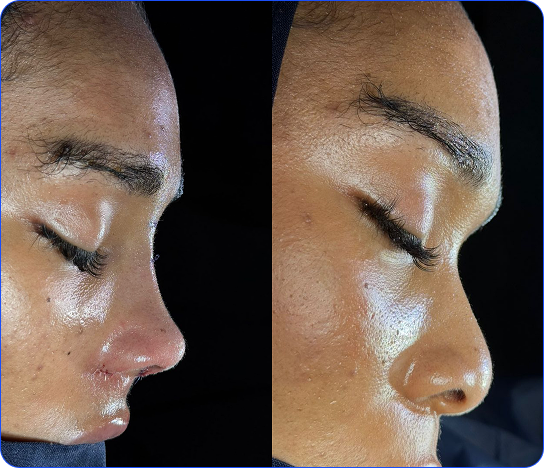
Approximately seven days after surgery, the patient returned for splint removal and follow-up evaluation. This moment is often emotional for rhinoplasty patients because it provides the first clearer view of the new nasal shape. Although swelling was still present, early improvements in profile balance and tip refinement were already visible. The patient expressed relief and excitement after seeing a softer and more harmonious appearance while still recognizing familiar facial features.
The surgical team continued monitoring healing progress closely while providing reassurance and guidance throughout the early recovery process.
Long-Term Healing & Refinement
Rhinoplasty healing continues long after the first few weeks of recovery. For this patient, the months following surgery involved gradual swelling reduction, tissue softening, and increasing nasal refinement as healing progressed naturally over time.
During the first few months, subtle changes continued appearing each week. The nasal bridge became smoother and more refined, the tip gained improved definition, and facial proportions looked increasingly balanced. Although external swelling improved significantly during the early stages, internal healing continued beneath the surface for many months.
The patient occasionally noticed minor swelling fluctuations, especially in the mornings or after increased activity. These temporary changes are very common during rhinoplasty recovery and do not affect the final outcome. Patients with thicker skin often require longer healing periods before final definition becomes fully visible.
As recovery progressed, the patient became increasingly comfortable both physically and emotionally. Confidence improved significantly because the nose looked natural, proportional, and harmonious rather than surgically obvious. Friends and family noticed a refreshed appearance without immediately identifying that surgery had been performed, which aligned perfectly with the patient’s original goals.
Regular follow-up communication and monitoring continued throughout the healing process to ensure recovery remained smooth and complication-free. The gradual refinement process demonstrated how patience and proper aftercare contribute greatly to successful rhinoplasty outcomes.

 Previous